WHAT IS REMOTE VIEWING?
THE MILITARY'S 20-YEAR SECRET PROGRAM
For over two decades, the U.S. intelligence community ran a classified espionage program using nothing but human perception. They called it Project Stargate.
In 1995, the CIA declassified the program under the Freedom of Information Act. Thousands of formerly SECRET pages were released to the public, confirming decades of operational use.
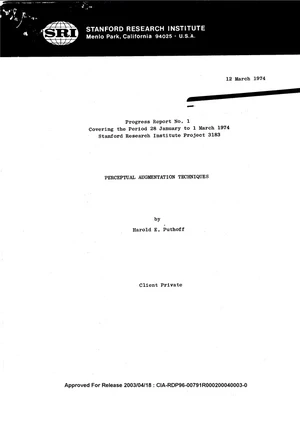
THE INITIATION (1973)
The original Stanford Research Institute confirmed to the CIA that the phenomenon was real enough to warrant operational funding.

THE PROOF (1973)
Before NASA's Pioneer 10 probe arrived, viewer Ingo Swann was tasked to view Jupiter. He reported a faint 'ring' around the planet, which scientists dismissed. Pioneer 10 later confirmed the rings existed.
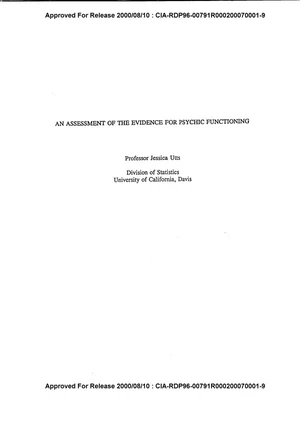
THE VALIDATION (1995)
This is the specific report by statistics professor Jessica Utts (attached to the AIR review) where she famously concludes: 'Using the standards applied to any other area of science, it is concluded that psychic functioning has been well established.'
Access the CIA’s FOIA Remote Viewing documents here:
CIA RV FilesIT'S NOT MAGIC. IT'S A PROTOCOL
Remote Viewing is a strict protocol for data collection. You systematically record low-level sensory descriptions of a target while remaining 100% blind to its identity. To ensure data integrity, the protocol is broken down into the following operational sequence:
1TARGET ACQUISITION
A target is created by you or the community. It can be a practice target or an operational task to collect real information. It can be any person, place, thing, or event - past, present, or future.

2TARGET ENCRYPTION
The target is stripped of all identifying data and assigned a random coordinate (e.g. 819 / 921). It is added to a target pool containing hundreds of other targets. This guarantees statistical blindness: you cannot guess the target because it could be anything.
3YOUR SESSION BEGINS
You select a target from the pool and begin - either on paper or using the DeepSight canvas. You write the coordinate, immediately followed by a rapid, reflexive mark.
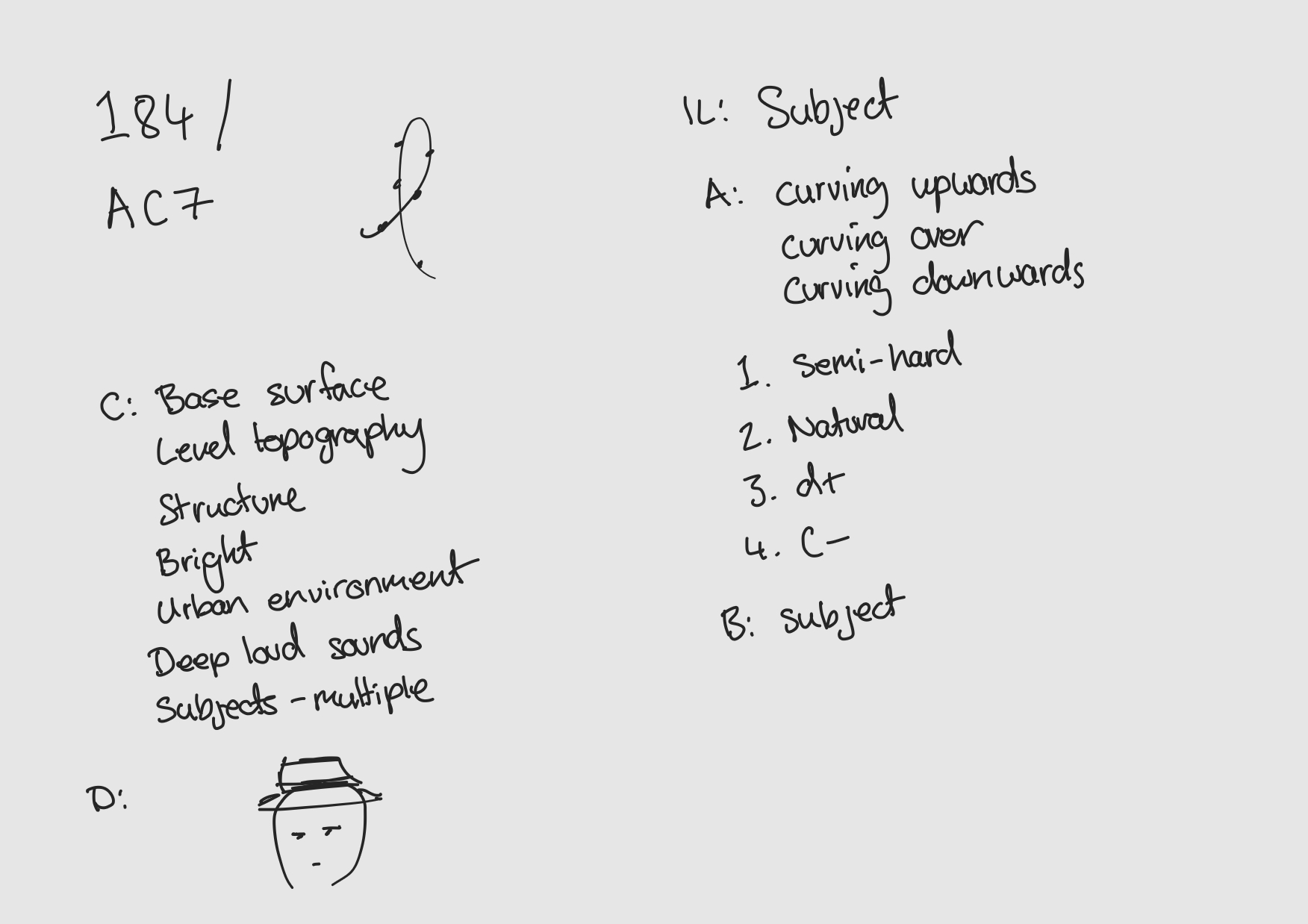
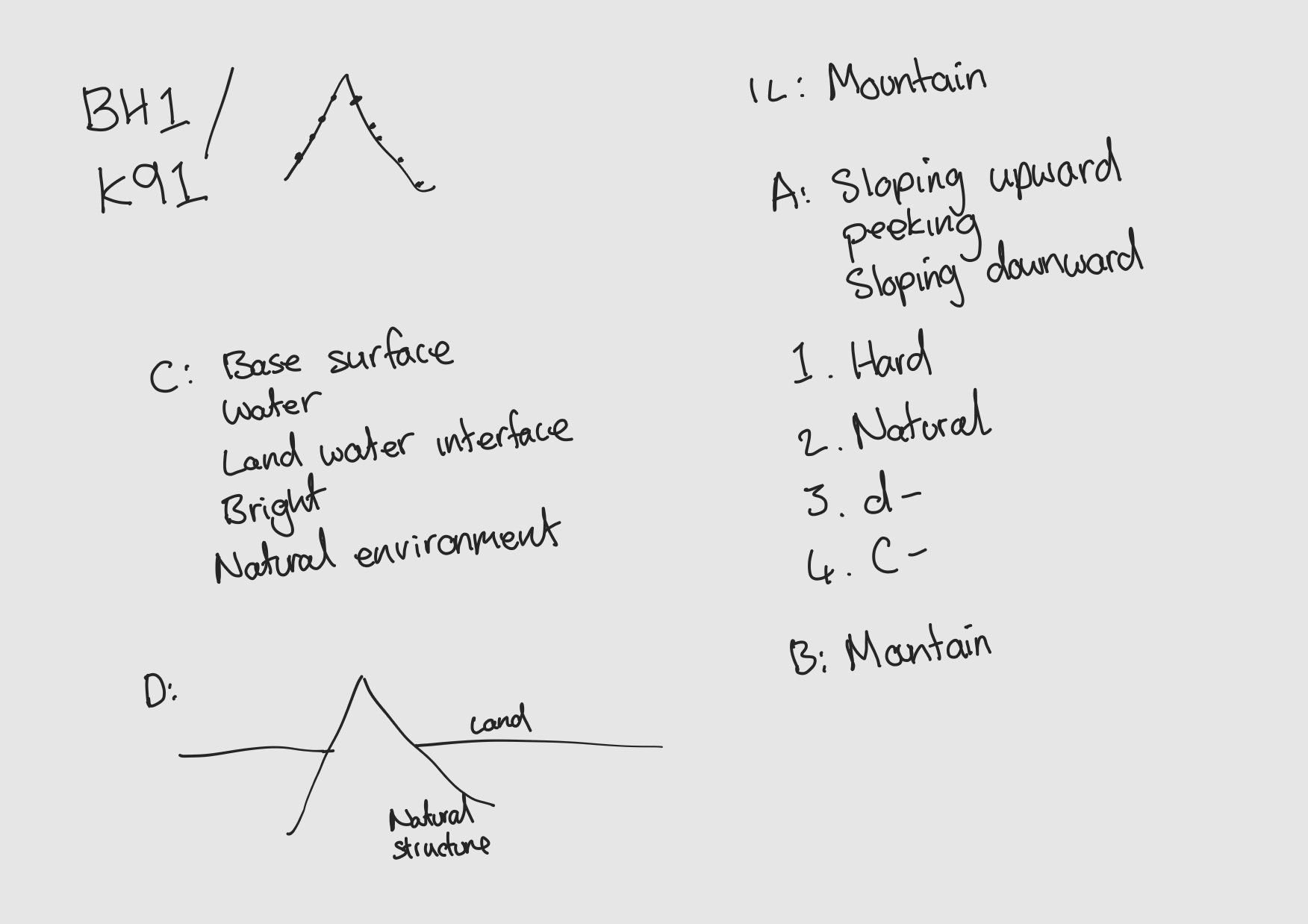
This mark is called an Ideogram. It captures the initial 'feel' of the target. For example, a sharp right-angle usually indicates a man-made structure.
4SENSORY DECODING
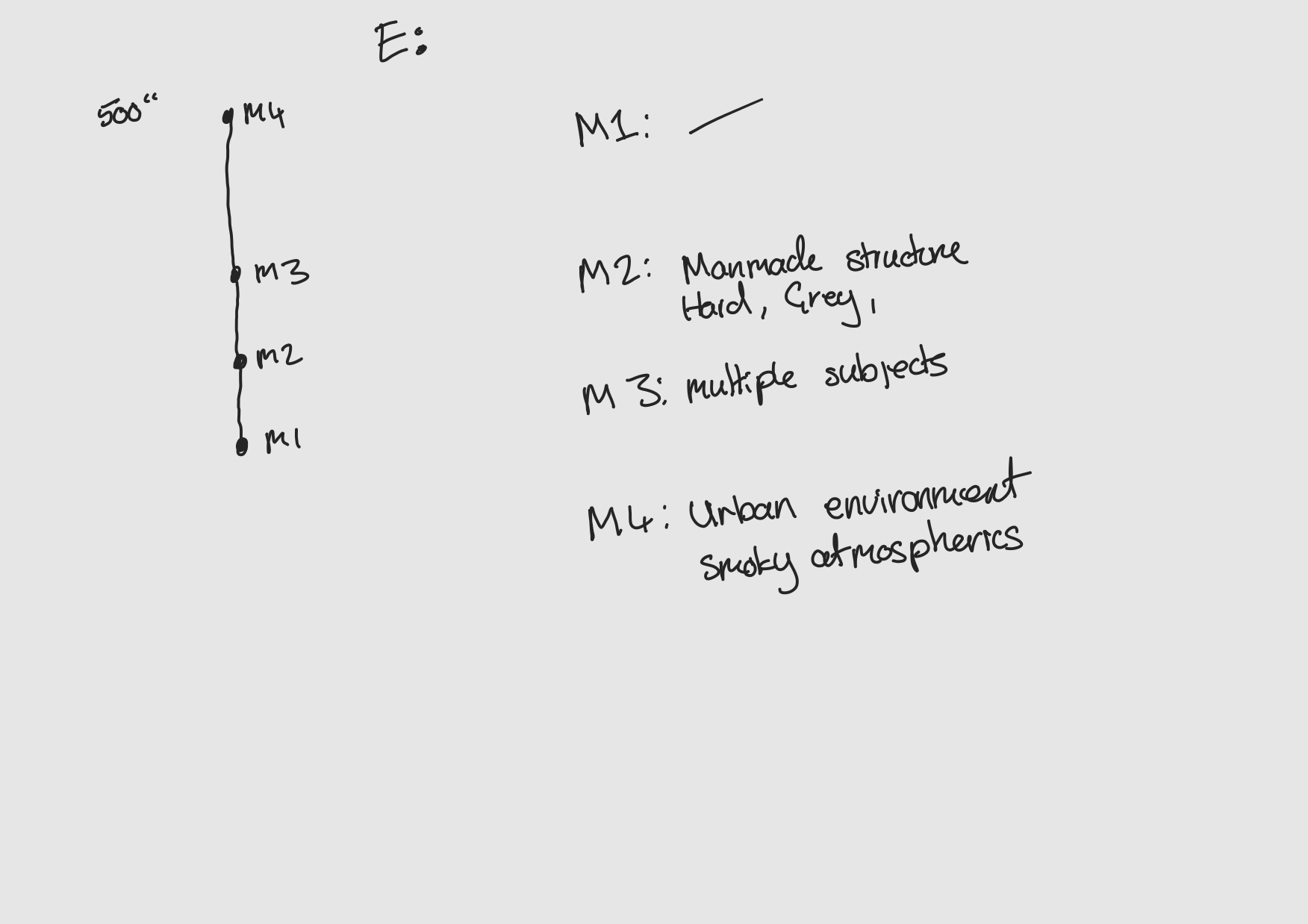
You touch the ideogram with your pen to probe for data. Ask yourself low-level questions: 'What is the texture? Temperature? Is it natural or man-made?' Capture the first thing that comes to mind, especially if it surprises you. Do not analyse. Record raw sensations like 'Cold, Metallic, Massive'.
Only probe for low-level sensory data (e.g. Hard, Soft, Bright etc.). Never ask high-level questions (e.g. 'Is it a car?'). High-level questions engage your analytical mind, which leads to guessing and imagination. This must be avoided.
5SIGNAL EXPANSION
The signal aperture opens. As your connection to the target deepens, you move through specific session stages, transitioning from simple words to detailed sketches. Formal methods use structured templates to organise this data, often leading to multiple pages of information - from basic shapes to complex dimensional details.
6THE REVEAL
You submit your session, and the target is instantly unlocked. In Remote Viewing, this is called 'The Feedback.' DeepSight displays a side-by-side comparison of your session data against the actual target photo and description.


This immediate feedback loop trains your brain to recognise the true signal. With consistent practice, you learn to distinguish between imagination and intuition. DeepSight tracks your accuracy scores over time, visualising your progress as you master the skill.
OPERATIONAL CASE FILES
Remote Viewing wasn't just a lab theory. It was used to solve real-world intelligence problems when conventional methods failed.
These are just three of hundreds of documented operational sessions. The conclusion? When standard intel went dark, Remote Viewing provided the data.
THE PROTOCOL IS NOW YOURS
You don't need a security clearance to practice. DeepSight provides the blind targets, the digital canvas, and the feedback loop you need to master the skill.
Join the DeepSight Explorer Plan. No Credit Card required.